
Social media has transformed how we advocate for causes. With a single click, we can share, like, and spread awareness to thousands of people. This is cyber-activism—This gives social media users a feeling of power because 1it taps into identity, empathy, and community. But does virality equal impact? Or are we stuck in a cycle of feel-good gestures that rarely translate into real-world change?
Why Did the Breast Cancer Meme Go Viral?
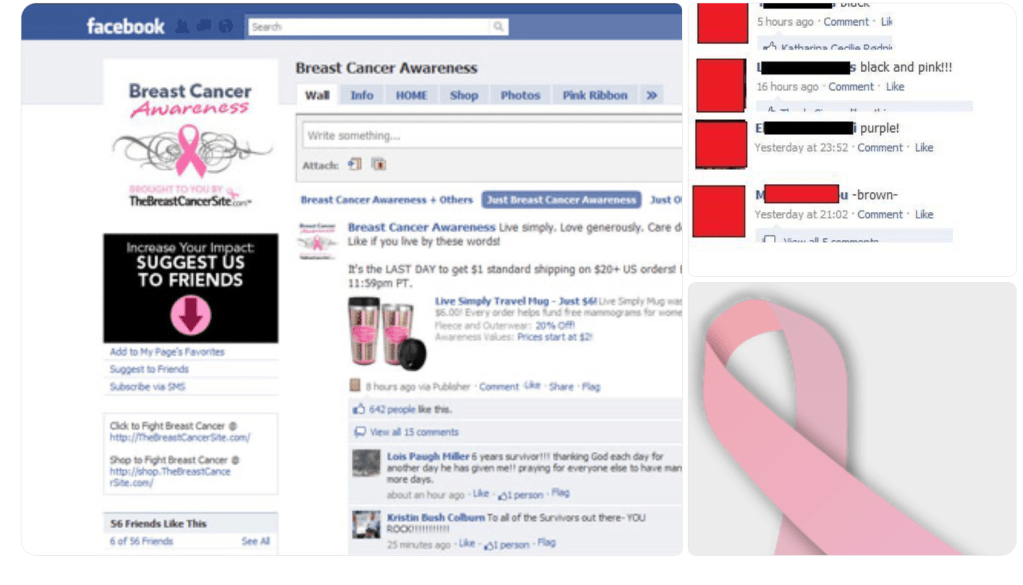
One of the most famous examples of cyber-activism is the Facebook breast cancer awareness meme. Each October, during National Breast Cancer Awareness Month, users were encouraged to post cryptic status updates—like the color of their bra or where they “like it”—to raise awareness. These posts spread like wildfire, and here’s why:
- Simplicity: Participation required minimal effort—just a quick status update.
- Personalization: Users shared something unique about themselves, making the post feel authentic.
- Exclusivity: The “secret” nature of the meme created curiosity and a sense of belonging.
- Emotional Appeal: Breast cancer is a cause that resonates deeply, making people eager to show support.
For thousands of users, these memes offered a low-barrier way to signal solidarity and feel part of a movement. But while the campaign excelled at virality, it fell short in driving meaningful action.
The Meme Fell Short in Driving Meaningful Action
Despite its popularity, the meme raised critical questions: Is posting a color or a cheeky phrase truly activism? The short answer is “No”
- No Direct Action: The campaign lacked links to donations, volunteer opportunities, or educational resources.
- Misaligned Messaging: Sexualized phrases alienated some audiences and overshadowed the seriousness of the cause.
- Missed Education: Awareness alone didn’t address misconceptions—such as the fact that men can also develop breast cancer.
To make a real difference, campaigns need to go beyond challenges, and messaging that may alienate. Posts should include clean messaging, a donation button, a link to prevention tips, or a challenge to volunteer, these changes could transform passive awareness into active engagement.
The Power of Emotional Real-Life Experiences
Research shows that creating emotional, real-life experiences is one of the strongest predictors of mobilization success. Volunteering at a chemotherapy center or sharing survivor stories creates lasting impact—far more than posting a color on Facebook.
Social media platforms can amplify authentic narratives, connect communities, and make participation easy. The key is to design campaigns that integrate actionable steps—donating, signing petitions, or joining events—into the digital experience.
Aligning Mobilization with Brand Authenticity
For organizations, this shift isn’t just strategic—it’s essential for brand authenticity. A mission statement should reflect more than awareness; it should emphasize measurable impact. For example:
“We don’t just raise awareness—we fund research, support patients, and empower communities to take action.”
By embedding the mission into social media campaigns, brands can build trust and inspire deeper engagement. When audiences see that their clicks lead to real-world change, they become advocates—not just participants.
The Final Verdict
Awareness-only campaigns risk creating a false sense of accomplishment. To truly move the needle, social media strategies must pair emotional appeal with actionable steps. When we turn clicks into contributions, memes into mobilization, and awareness into advocacy, we unlock the full potential of cyber-activism.
 Jenny's syndicate
Leave a comment